The Impact of Globalization on American Literary Criticism in 2025

The Impact of Globalization on American Literary Criticism in 2025 will likely manifest in new interpretations of transnational literature, influenced by diverse cultural perspectives and digital connectivity, reshaping scholarly approaches within American academia.
The world is becoming increasingly interconnected, and this has profound implications for various fields, including literary criticism. By 2025, the impact of globalization on American literary criticism will be even more pronounced, leading to new perspectives on transnational literature and a shift in how we understand and analyze literary works.
What new critical lenses will emerge as American literary critics grapple with texts that transcend national boundaries? Let’s explore the exciting possibilities.
Understanding the Globalization of Literature
Globalization, with its intricate web of interconnectedness, has significantly altered the landscape of literature. The rise of transnational narratives and the increased accessibility of diverse voices have broadened the scope of literary analysis. As we approach 2025, understanding this globalization is crucial for American literary criticism.
The Rise of Transnational Literature
Transnational literature transcends national boundaries, exploring themes and characters that move across cultures and continents. This genre challenges traditional notions of national identity and cultural homogeneity.
Accessibility of Diverse Voices
With the advent of digital platforms and increased translation efforts, diverse voices from around the world are now more accessible than ever. This has created a richer and more inclusive literary landscape.
- Increased availability of translated works
- Digital platforms amplifying marginalized voices
- Greater cross-cultural understanding
These factors collectively contribute to a more globalized understanding of literature, prompting American literary critics to adopt new approaches and perspectives.

In conclusion, the globalization of literature has set the stage for a transformation in American literary criticism, necessitating a shift towards more inclusive and globally-aware analytical frameworks.
The Evolution of American Literary Criticism
American literary criticism has a rich history, evolving through various schools of thought. From New Criticism to post-structuralism, each era has offered unique perspectives. The impact of globalization on American literary criticism is now driving a new wave of change.
Historical Context
Understanding the historical context of American literary criticism is essential to appreciate its current trajectory. Early approaches focused on formal analysis and authorial intent.
Contemporary Approaches
Contemporary approaches incorporate diverse perspectives, including postcolonial theory, feminist criticism, and critical race theory. These frameworks challenge traditional norms and offer more nuanced interpretations.
The integration of these diverse perspectives signals a move towards a more inclusive and comprehensive approach to literary analysis, setting the stage for the changes ahead.
- Increased focus on cultural context
- Interdisciplinary approaches gaining prominence
- Challenging traditional canons
In the coming years, these trends are expected to intensify, further shaping the impact of globalization on American literary criticism.
Key Trends Shaping Literary Criticism in 2025
Several key trends are poised to shape literary criticism in 2025. These include the integration of digital humanities, the rise of postcolonial perspectives, and the focus on environmental literature.
Digital Humanities
Digital humanities involve the use of computational tools and methods to analyze literary texts. This interdisciplinary approach offers new ways to explore patterns and themes.
Postcolonial Perspectives
Postcolonial perspectives examine the impact of colonialism on literature and culture. These perspectives challenge Eurocentric norms and amplify marginalized voices.
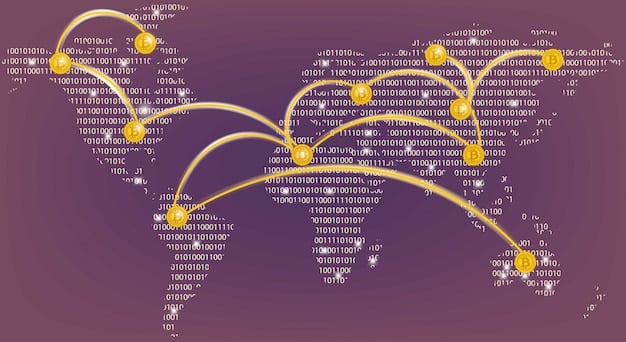
- Data-driven analysis of literary texts
- Emphasis on cross-cultural understanding
- Exploration of power dynamics in literature
These trends are not isolated; they intersect and influence each other, creating a dynamic and evolving field. The ability to adapt and integrate these trends will be crucial for American literary critics in 2025. The evolving trends exemplify the impact of globalization on American literary criticism.
New Perspectives on Transnational Literature
Transnational literature, with its border-crossing narratives, demands new critical perspectives. Approaches that emphasize cultural exchange, hybridity, and diaspora are becoming increasingly relevant. The study of transnational literature is a crucial element of the impact of globalization on American literary criticism.
Cultural Exchange
Analyzing how cultures interact and influence each other in literary texts provides deeper insights into the complexities of globalization.
Hybridity
Hybridity refers to the blending of different cultural elements, resulting in new and unique forms of expression.
These approaches help to deconstruct traditional notions of national identity and cultural purity, opening up new avenues for literary interpretation.
- Exploring the fluidity of identity
- Analyzing the impact of migration on literature
- Understanding the representation of cultural otherness
Furthermore, these perspectives encourage a more nuanced understanding of the human experience in an increasingly interconnected world, which is at the core of the impact of globalization on American literary criticism.
Challenges and Opportunities for American Critics
The globalization of literature presents both challenges and opportunities for American literary critics. Adapting to new critical frameworks and embracing diverse perspectives are essential for navigating this evolving landscape.
Adapting to New Frameworks
American critics may need to broaden their knowledge of literary theory and cultural contexts to effectively analyze transnational literature.
Embracing Diverse Perspectives
Critically engaging with perspectives from around the world can enrich the analytical process and lead to more comprehensive interpretations.
Overcoming these challenges requires a commitment to lifelong learning and a willingness to engage with different cultural viewpoints.
- Promoting inclusivity in literary analysis
- Encouraging cross-cultural dialogue
- Addressing issues of representation and power
The rewards of embracing these opportunities include a deeper understanding of literature and its role in shaping global society, which is a key aspect of the impact of globalization on American literary criticism.
The Future of Literary Studies in a Globalized World
The future of literary studies in a globalized world is one of collaboration, inclusivity, and innovation. By embracing new technologies and fostering cross-cultural dialogue, scholars can ensure the continued relevance of literary criticism.
Collaboration
Collaboration among scholars from different cultural backgrounds can lead to richer and more nuanced interpretations of literary texts.
Inclusivity
Ensuring that diverse voices are represented in literary studies can promote greater understanding and empathy.
| Key Point | Brief Description |
|---|---|
| 🌍 Globalization | Increased interconnectedness impacting literary criticism. |
| 📚 Transnational Literature | New critical perspectives needed to analyze cross-border narratives. |
| 💻 Digital Humanities | Using computational tools for literary analysis. |
Frequently Asked Questions
Globalization introduces diverse cultural perspectives, necessitating new critical approaches to transnational literature within American academia. The impact of globalization on American literary criticism shapes the lens through which texts are analyzed and understood.
Transnational literature refers to literary works that transcend national boundaries, often exploring themes of migration, cultural exchange, and identity formation. It represents a departure from traditional national literatures.
New perspectives include postcolonial theory, digital humanities, and ecocriticism. These approaches offer fresh insights into the cultural, technological, and environmental dimensions of literature. All these influence the impact of globalization on American literary criticism.
Digital humanities provides tools for analyzing large datasets of literary texts, uncovering patterns, and exploring themes in new ways. It can reveal insights that traditional methods might miss.
Inclusivity ensures that diverse voices and perspectives are considered, leading to a more comprehensive understanding of literature and its role in society. It enriches the field and promotes empathy and understanding. The trend contributes to the impact of globalization on American literary criticism.
Conclusion
In conclusion, the impact of globalization on American literary criticism is profound and multifaceted. From the rise of transnational literature to the integration of digital humanities, the field is undergoing a significant transformation. By embracing new perspectives and fostering cross-cultural dialogue, American literary critics can ensure the continued relevance and vitality of literary studies in an increasingly interconnected world.