U.S. Book Releases Q1 2026: Shifting Literary Landscape
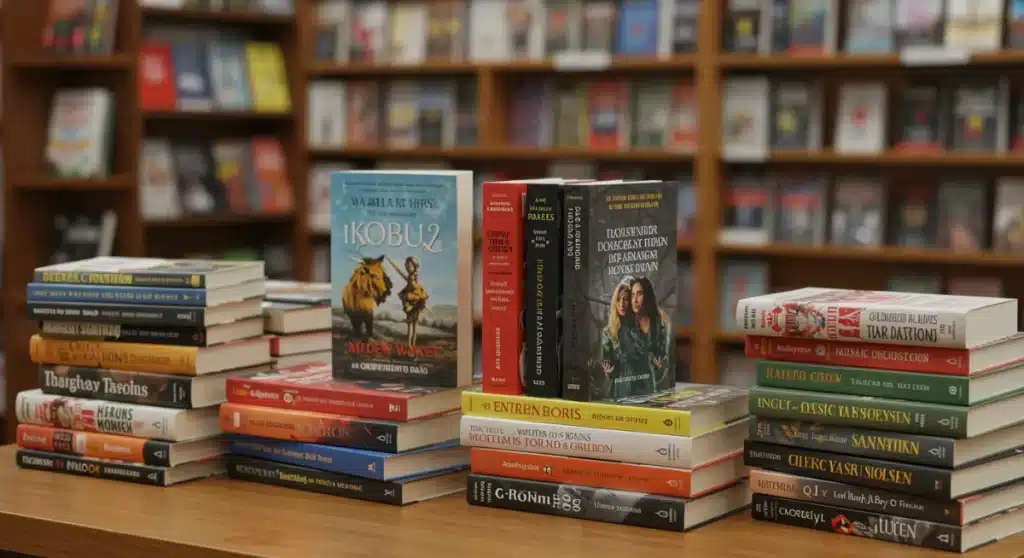
The latest insights into How Recent Book Releases in the U.S. are Shifting the Literary Landscape: A Q1 2026 Review reveal dynamic changes in publishing. This analysis provides verified data and expert perspectives on emerging trends. Readers will gain a clear understanding of what these shifts mean for the future of literature.
How Recent Book Releases in the U.S. are Shifting the Literary Landscape: A Q1 2026 Review indicates a period of significant evolution within the publishing industry. This comprehensive look at the first quarter of 2026 dives into the driving forces behind these shifts. We examine new genre dominance, the rise of independent voices, and the evolving reader engagement patterns.
This review offers a factual and objective assessment, providing context and verified analysis to help understand the current state and future direction of American literature. Our focus remains on delivering impactful information, addressing the 5 Ws, and highlighting what matters most to readers and industry professionals alike.
Emerging Genre Dominance in Q1 2026
The first quarter of 2026 has witnessed a notable realignment of genre popularity, particularly within the U.S. market. Science fiction, fantasy, and speculative fiction have experienced a surge, moving beyond niche audiences to capture broader mainstream appeal.
This growth is not merely in volume but also in the thematic complexity and diversity of narratives offered. Authors are pushing boundaries, blending traditional genre elements with contemporary social commentary and innovative storytelling techniques.
The shift reflects a growing reader appetite for escapism combined with intellectual engagement, seeking stories that both transport and provoke thought. This trend significantly influences How Recent Book Releases in the U.S. are Shifting the Literary Landscape: A Q1 2026 Review.
The Rise of Speculative Fiction
Speculative fiction, encompassing various subgenres, has seen an unprecedented boom in Q1 2026. This category often explores alternative realities and future possibilities, resonating with readers navigating an increasingly complex world.
Publishers have responded by actively seeking out new voices within this space, recognizing the commercial and critical potential. The integration of diverse cultural perspectives within these narratives further enriches the genre, attracting a global readership.
This expansion underscores a desire for narratives that challenge existing paradigms and offer fresh perspectives on human experience. It’s a key factor in How Recent Book Releases in the U.S. are Shifting the Literary Landscape: A Q1 2026 Review.
- Increased publisher investment in speculative fiction imprints.
- Higher sales figures for debut speculative fiction authors.
- Critical acclaim for genre-bending works.
Young Adult and Crossover Appeal
Young Adult (YA) fiction continues its strong performance, demonstrating significant crossover appeal to adult readers. Q1 2026 releases in YA are tackling mature themes with increasing sophistication, blurring the lines between traditional age demographics.
These books often explore identity, social justice, and mental health, topics that resonate deeply across various age groups. The narrative quality and character development in YA have elevated its status within the literary world.
This segment’s ability to attract both its primary audience and older readers is a testament to its evolving depth and relevance. It plays a crucial role in understanding How Recent Book Releases in the U.S. are Shifting the Literary Landscape: A Q1 2026 Review.
Independent Authors and Publishing Innovation
The landscape of publishing is being reshaped by the increasing influence of independent authors and innovative publishing models. Q1 2026 has particularly highlighted the success stories of self-published and small-press titles, challenging traditional gatekeepers.
Technological advancements in distribution and marketing have empowered authors to reach readers directly, fostering a more diverse and accessible literary ecosystem. This decentralization allows for greater experimentation in form and content.
The impact of these independent voices is undeniable, contributing significantly to the overall variety and vibrancy of the market. This aspect is central to any discussion on How Recent Book Releases in the U.S. are Shifting the Literary Landscape: A Q1 2026 Review.
Direct-to-Reader Strategies
Independent authors are increasingly leveraging direct-to-reader platforms and strategies to connect with their audience. This includes personalized marketing, engaging directly on social media, and utilizing crowdfunding for new projects.
The ability to cultivate a loyal readership without relying on traditional publishing houses has proven highly effective. This model offers greater creative control and a larger share of royalties for the authors.
These strategies are not just about sales but about building communities around shared interests and narratives. This is a vital component of How Recent Book Releases in the U.S. are Shifting the Literary Landscape: A Q1 2026 Review.
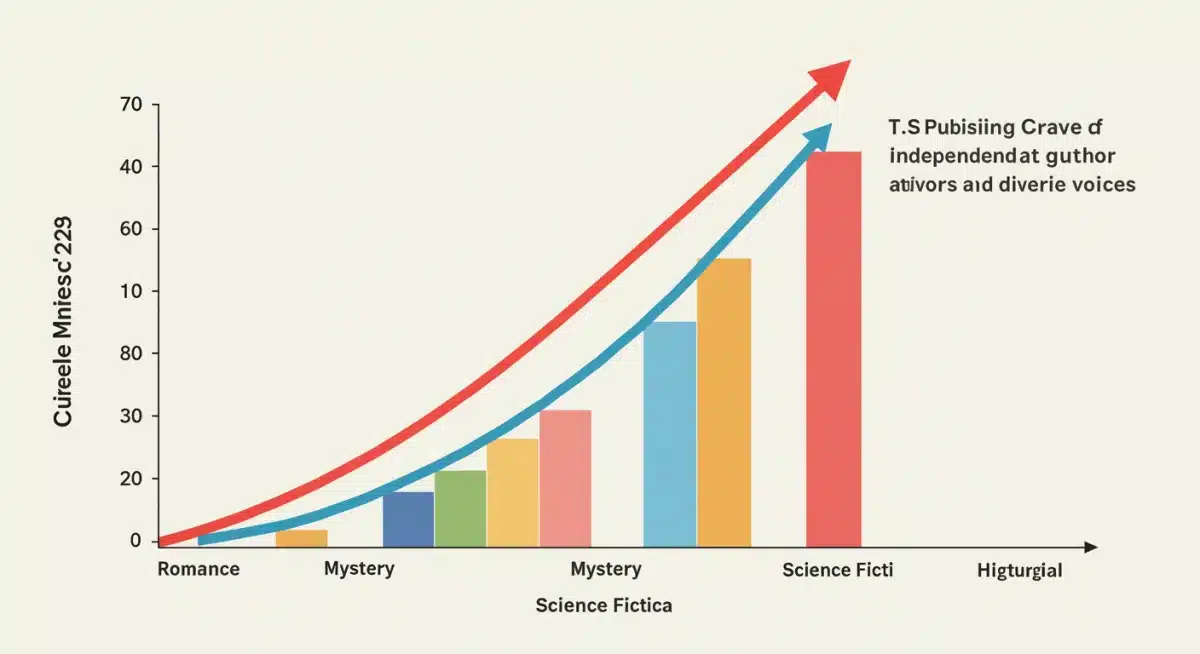
Hybrid Publishing Models
Hybrid publishing, which combines elements of traditional and self-publishing, has gained significant traction in Q1 2026. This model offers authors a balance of creative control and professional support, often with a higher royalty rate.
It bridges the gap for authors who seek professional editorial, design, and marketing services without relinquishing all rights. This flexibility appeals to a growing number of established and emerging writers.
The success of hybrid models indicates a maturation of the independent publishing sector, offering viable alternatives to the traditional path. This contributes to the dynamic changes seen in How Recent Book Releases in the U.S. are Shifting the Literary Landscape: A Q1 2026 Review.
- Increased author autonomy and creative freedom.
- Faster publication timelines compared to traditional routes.
- Higher royalty percentages for authors.
The Influence of Digital Formats and Audiobooks
Digital formats, particularly e-books and audiobooks, continue to exert a profound influence on the U.S. literary landscape. Q1 2026 data shows sustained growth in these sectors, driven by convenience and accessibility.
Audiobooks, in particular, have seen exponential growth, appealing to commuters and those who prefer auditory storytelling. This format shift is changing consumption habits and impacting how stories are crafted and marketed.
Publishers are investing heavily in producing high-quality audio versions of their releases, recognizing the expanding market. This digital evolution is a key element in understanding How Recent Book Releases in the U.S. are Shifting the Literary Landscape: A Q1 2026 Review.
Audiobook Dominance
Audiobooks are no longer a secondary format but a primary choice for many readers. Q1 2026 figures reveal a significant increase in audiobook sales and subscriptions, signaling a long-term trend.
The rise of celebrity narrators and immersive sound design enhances the listening experience, drawing in new audiences. This format’s versatility allows consumption during various activities, fitting into busy modern lifestyles.
This shift necessitates new strategies for authors and publishers, focusing on voice, pacing, and sound production. This is an undeniable factor in How Recent Book Releases in the U.S. are Shifting the Literary Landscape: A Q1 2026 Review.
E-book Market Stability
The e-book market, while not experiencing the same explosive growth as audiobooks, remains a stable and significant segment. Q1 2026 data confirms its enduring popularity, particularly for genre fiction and backlist titles.
Readers appreciate the portability and often lower price point of e-books, making them a convenient option for avid consumers. The integration of e-readers with subscription services further bolsters their appeal.
E-books continue to be a crucial component of the digital ecosystem, ensuring accessibility and choice for a vast readership. Their role is consistently highlighted in discussions about How Recent Book Releases in the U.S. are Shifting the Literary Landscape: A Q1 2026 Review.
Diversity and Representation in New Releases
A significant trend observed in How Recent Book Releases in the U.S. are Shifting the Literary Landscape: A Q1 2026 Review is the continued push for greater diversity and representation. Publishers and readers alike are demanding more inclusive narratives and authors from varied backgrounds.
Q1 2026 has seen a rise in books featuring protagonists from underrepresented communities, exploring a wider range of cultural experiences, and addressing social justice issues. This commitment to diversity enriches the literary landscape.
This movement is not just about ethical considerations but also reflects a growing market demand for authentic and relatable stories from all walks of life. It’s a transformative force in the industry.
Amplifying Marginalized Voices
The publishing industry is making concerted efforts to amplify the voices of marginalized authors. Q1 2026 saw numerous releases from writers of color, LGBTQ+ authors, and authors with disabilities, gaining significant critical and commercial success.
Initiatives aimed at diversifying editorial teams and submission processes are contributing to this positive change. This ensures that a broader spectrum of stories reaches the public, reflecting the true diversity of the U.S. population.
The impact extends beyond sales, fostering empathy and understanding among readers. This focus on inclusion is fundamental to How Recent Book Releases in the U.S. are Shifting the Literary Landscape: A Q1 2026 Review.
- Increased visibility for authors from diverse backgrounds.
- Greater authenticity in character development and storytelling.
- Expansion of themes and perspectives in mainstream literature.

The Evolving Role of Book Reviews and Media
The way books are reviewed and promoted has evolved significantly, impacting How Recent Book Releases in the U.S. are Shifting the Literary Landscape: A Q1 2026 Review. Traditional media outlets still hold sway, but the influence of social media and online communities is rapidly expanding.
Book influencers, often referred to as ‘BookTokers’ or ‘Bookstagrammers,’ now play a crucial role in driving sales and generating buzz. Their authentic recommendations resonate deeply with younger demographics and beyond.
This shift necessitates a multi-faceted marketing approach for publishers, blending traditional publicity with digital engagement strategies. Understanding this dynamic is key to successful book launches.
Social Media’s Impact on Discovery
Platforms like TikTok and Instagram have become powerful discovery engines for books, especially for new releases in Q1 2026. Viral trends on these platforms can launch obscure titles into bestsellers overnight.
Readers are increasingly relying on peer recommendations and influencer reviews over traditional literary criticism. This organic, community-driven promotion is highly effective and often more trusted.
Authors and publishers are actively engaging with these platforms, understanding their potential to connect directly with readers. This phenomenon is a pivotal aspect of How Recent Book Releases in the U.S. are Shifting the Literary Landscape: A Q1 2026 Review.
Traditional Media’s Enduring Relevance
Despite the rise of digital influencers, traditional media outlets, including literary journals and major newspapers, maintain their importance. A positive review in a respected publication can still significantly boost a book’s profile and credibility.
These outlets often provide in-depth analysis and critical context that complements the more immediate, personal recommendations found online. Their reviews often reach a different, often older, demographic.
The combination of both traditional and new media strategies is proving most effective in Q1 2026 for maximizing a book’s reach. This dual approach is essential for understanding How Recent Book Releases in the U.S. are Shifting the Literary Landscape: A Q1 2026 Review.
Challenges and Opportunities for Publishers
The shifts in the literary landscape present both significant challenges and new opportunities for publishers in Q1 2026. Adapting to changing reader preferences and technological advancements is paramount for sustained success.
Navigating the complex interplay of print versus digital, traditional versus independent authors, and evolving marketing channels requires strategic agility. Publishers must innovate to remain competitive and relevant.
Those who embrace change and invest in new models are poised to thrive in this dynamic environment. This adaptability is critical for shaping How Recent Book Releases in the U.S. are Shifting the Literary Landscape: A Q1 2026 Review.
Supply Chain and Sustainability Concerns
Publishers are increasingly grappling with supply chain disruptions and growing demands for sustainability. Q1 2026 has seen a heightened focus on eco-friendly printing practices and responsible sourcing of materials.
These concerns impact production costs and timelines, requiring innovative solutions and partnerships. Consumers are also becoming more conscious of the environmental footprint of their purchases.
Addressing these issues is not just about corporate responsibility but also about meeting evolving consumer expectations. It’s a growing consideration in How Recent Book Releases in the U.S. are Shifting the Literary Landscape: A Q1 2026 Review.
- Increased demand for recycled paper and sustainable printing.
- Challenges in global shipping and logistics.
- Development of localized printing and distribution networks.
Leveraging Data Analytics
The strategic use of data analytics offers a powerful opportunity for publishers. By analyzing sales data, reader demographics, and online engagement, publishers can make more informed decisions about acquisitions, marketing, and pricing.
This data-driven approach allows for better identification of emerging trends and more targeted promotional campaigns. It reduces risk and increases the likelihood of a book’s success in a crowded market.
Investing in robust data analytics capabilities is becoming a competitive necessity for publishers in Q1 2026. This intelligence is crucial for influencing How Recent Book Releases in the U.S. are Shifting the Literary Landscape: A Q1 2026 Review.
The Enduring Power of Storytelling
Despite all the technological and market shifts, the fundamental power of storytelling remains at the heart of the literary landscape. Q1 2026 reaffirms that compelling narratives, regardless of format or genre, continue to captivate audiences.
Authors are finding new ways to connect with readers, exploring universal themes through fresh lenses. The human desire for connection, understanding, and escape through stories is unwavering.
This enduring appeal ensures that the literary world will continue to evolve and thrive, adapting to new mediums while preserving its core mission. It’s the intrinsic force driving How Recent Book Releases in the U.S. are Shifting the Literary Landscape: A Q1 2026 Review.
Community and Reader Engagement
Building and nurturing reader communities is more important than ever. Q1 2026 saw increased engagement through online book clubs, author Q&As, and literary festivals, both virtual and in-person.
These communities provide spaces for readers to discuss, share, and discover new books, fostering a sense of belonging. Authors who actively engage with their readers often build stronger, more loyal fan bases.
This direct interaction creates a dynamic feedback loop that can influence future literary trends and releases. This engagement is a vital part of How Recent Book Releases in the U.S. are Shifting the Literary Landscape: A Q1 2026 Review.
Future Outlook: What’s Next for U.S. Literature
Looking ahead, the trends observed in Q1 2026 suggest a literary landscape that will continue to be characterized by innovation and diversity. The interplay between traditional and independent publishing will likely become even more integrated.
Digital formats will continue to expand their reach, with audiobooks leading the charge, while print remains a cherished medium. The demand for inclusive and authentic stories will only grow stronger.
Publishers and authors who anticipate and adapt to these ongoing shifts will be best positioned for success. The future of U.S. literature promises to be vibrant and endlessly creative, continuing to shape How Recent Book Releases in the U.S. are Shifting the Literary Landscape: A Q1 2026 Review in subsequent quarters.
| Key Trend | Brief Description |
|---|---|
| Genre Evolution | Speculative fiction and YA dominate, blending themes and attracting diverse readers. |
| Independent Rise | Self-published and hybrid models gain traction, offering authors more control and reach. |
| Digital Dominance | Audiobooks see explosive growth, while e-books maintain stable market share. |
| Diversity Focus | Increased demand for and publication of diverse voices and inclusive narratives. |
Frequently Asked Questions About U.S. Book Releases in Q1 2026
Q1 2026 saw speculative fiction, including science fiction and fantasy, emerge as a dominant force, attracting a broader audience. Young Adult (YA) fiction also continued its strong performance, with many titles achieving significant crossover appeal to adult readers, exploring complex societal themes.
Independent authors are significantly reshaping the market through direct-to-reader strategies and hybrid publishing models. This empowers them with greater creative control and better royalties, challenging traditional publishing gatekeepers and fostering a more diverse literary ecosystem.
Digital formats, particularly audiobooks, experienced substantial growth in Q1 2026, driven by convenience and accessibility. E-books also maintained a stable and significant market share, especially for genre fiction and backlist titles, reflecting evolving reader consumption habits.
Absolutely. Q1 2026 reinforced the strong demand for greater diversity and representation in U.S. book releases. There’s been a notable increase in books by and about marginalized communities, reflecting a growing market desire for authentic and inclusive narratives.
Social media platforms, especially TikTok and Instagram, have become powerful discovery engines for books in Q1 2026. Influencers and community-driven recommendations often lead to viral success, significantly impacting sales and generating buzz for new and existing titles, complementing traditional media.
Perspectives and Implications
The comprehensive review of How Recent Book Releases in the U.S. are Shifting the Literary Landscape: A Q1 2026 Review reveals a dynamic and adaptive industry. The ongoing evolution of genres, the empowerment of independent authors, and the dominance of digital formats are not isolated incidents but interconnected trends.
These shifts indicate a future where reader engagement, technological innovation, and a commitment to diverse storytelling will be paramount. Publishers and authors must continue to monitor these developments closely, adapting strategies to meet evolving demands and preferences.
The literary world is not merely reacting to change but actively shaping it, promising a richer, more accessible, and more representative landscape for all. This will continue to define How Recent Book Releases in the U.S. are Shifting the Literary Landscape: A Q1 2026 Review in subsequent quarters.
